There are dinners, and then there are French dinners.
In France, a meal is rarely just about food. It’s a ritual, a performance, sometimes even a small act of cultural diplomacy. From the way bread is broken to the moment the cheese board appears, every detail reveals something deeper about the French approach to hospitality: beauty, patience and pleasure.
If you’ve ever wondered how to host, or behave, at a French table, here is a small guide to the rules, traditions and charming quirks that make the French art de recevoir so distinctive.
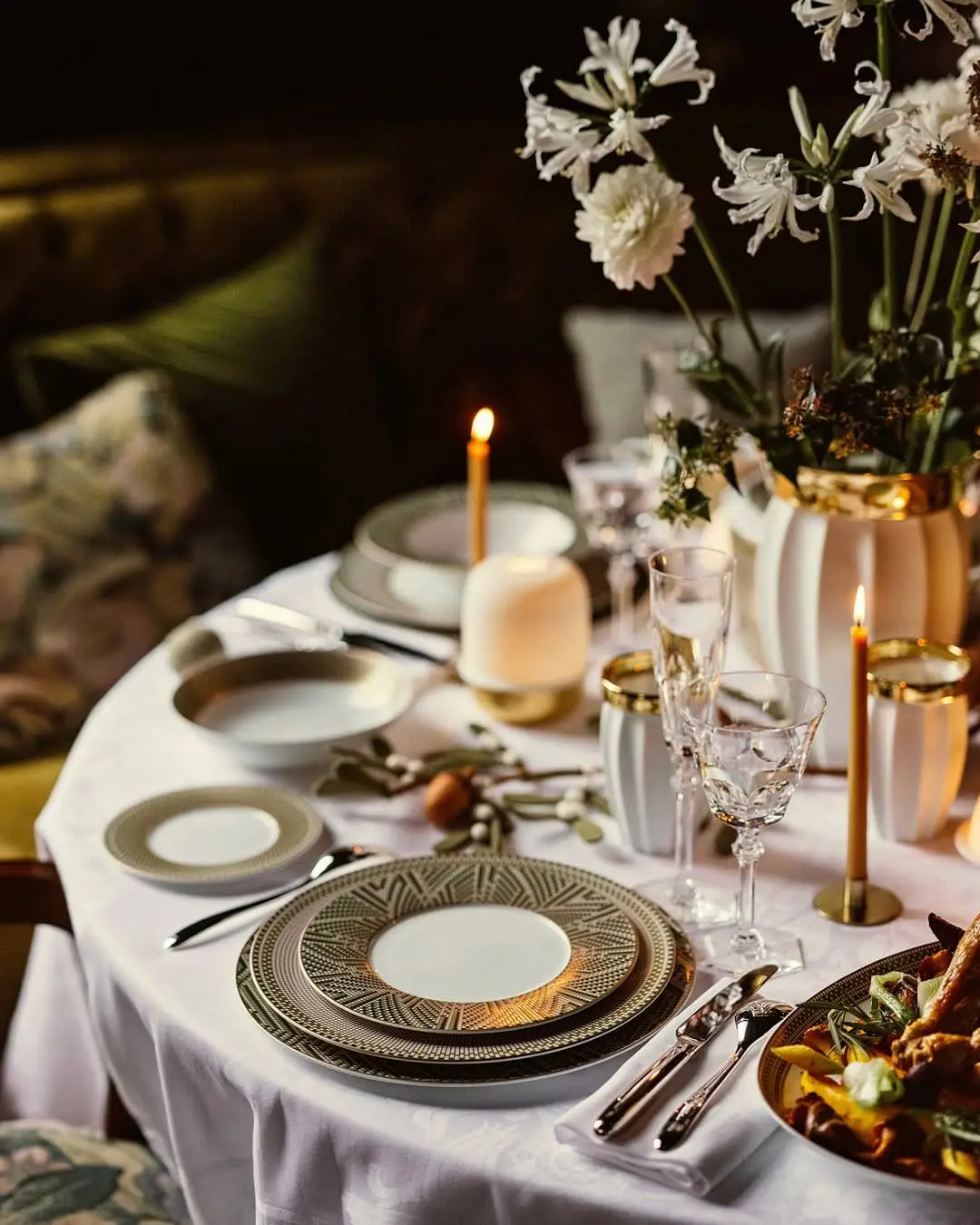
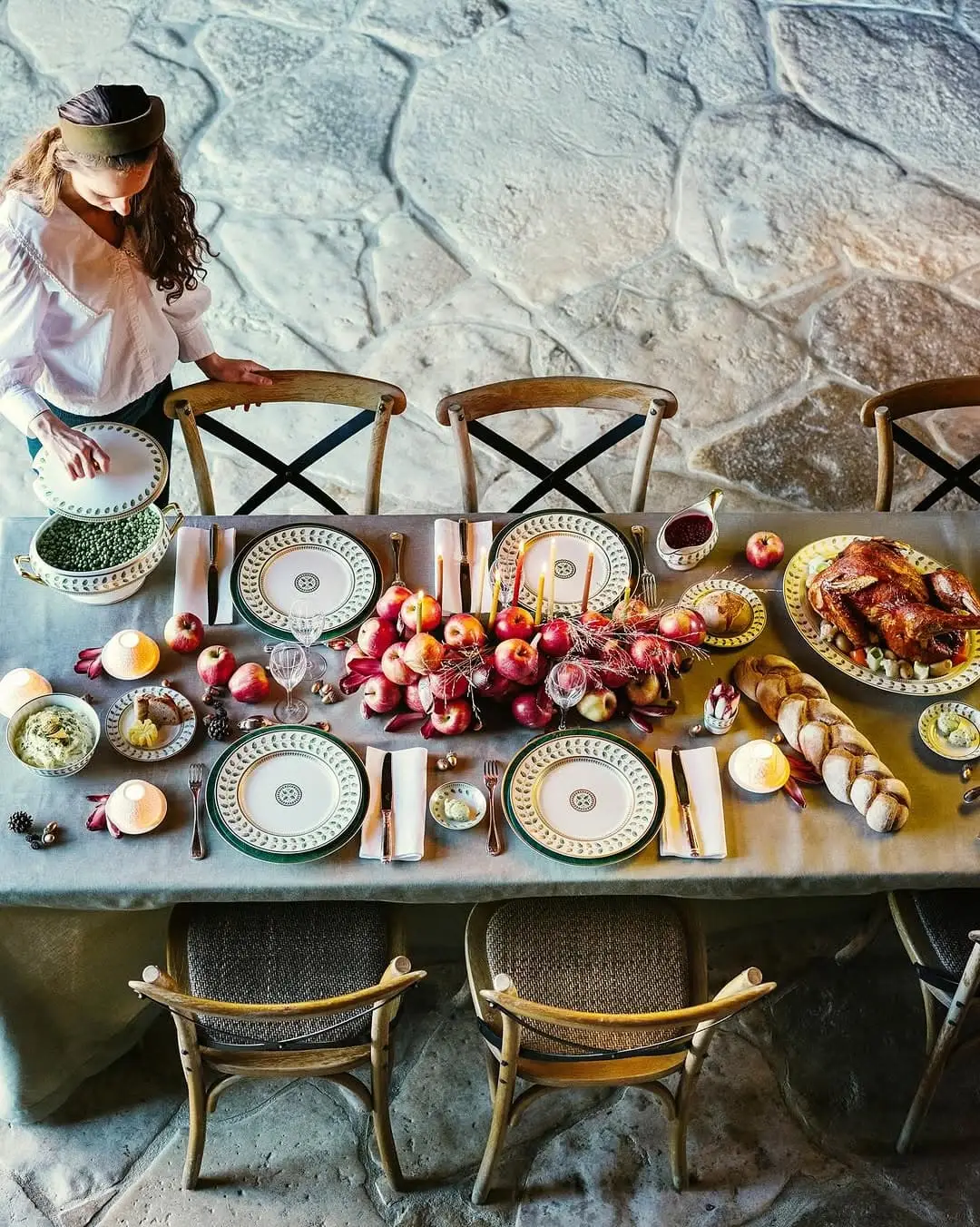
In France, the table is not simply functional, it’s theatrical.
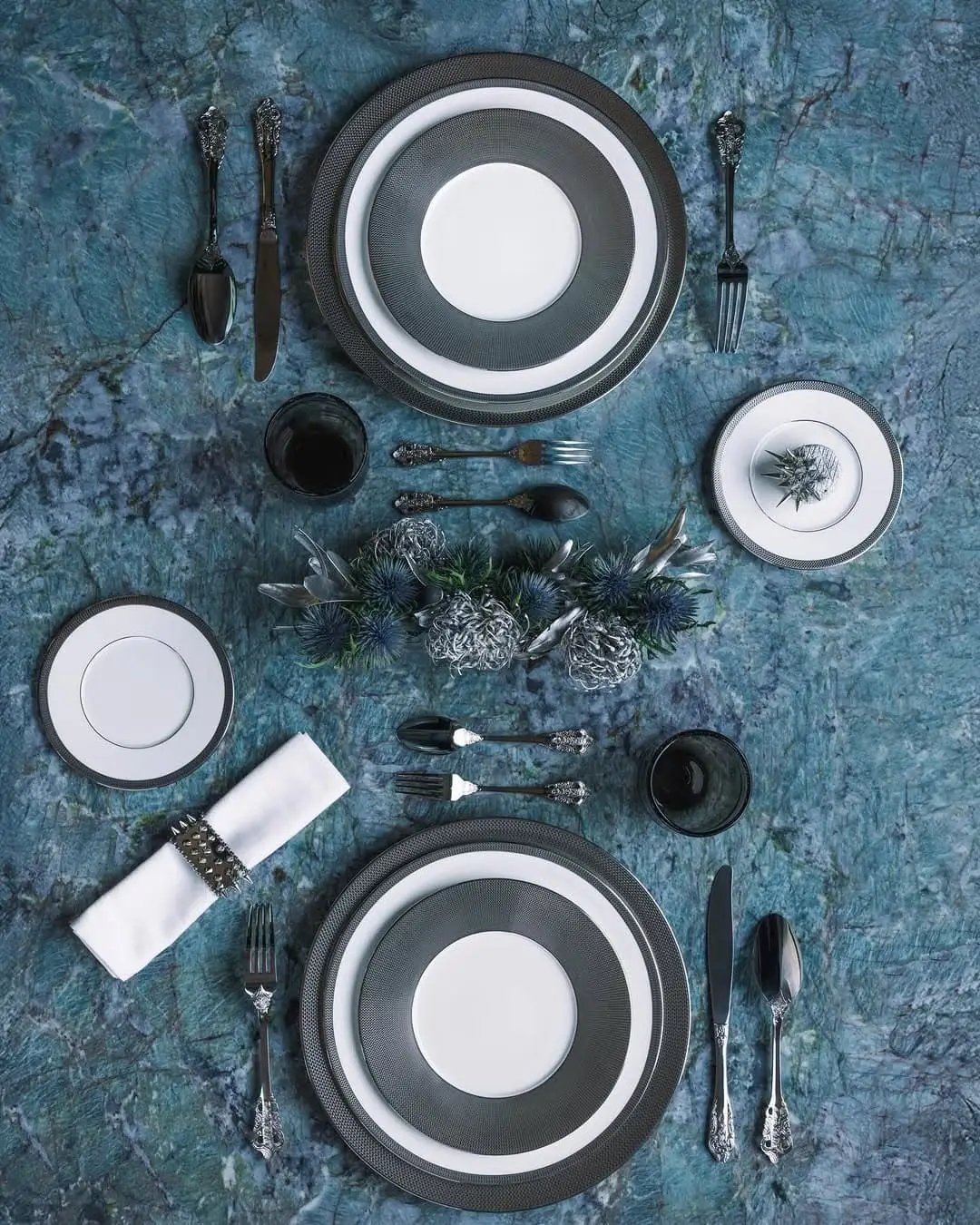
Flowers, candles, polished glasses and elegant tableware transform dinner into an experience before the first bite even arrives. Historically, grand meals in France were elaborate displays where presentation mattered almost as much as the cuisine itself.
This is where beautiful tableware plays its role. A fine porcelain service, such as those crafted by Bernardaud, instantly elevates a dinner from ordinary to memorable. After all, if you’re going to spend three hours at the table (which you probably will), it might as well look beautiful.
Because in France, aesthetics are not superficial. They’re part of the experience.
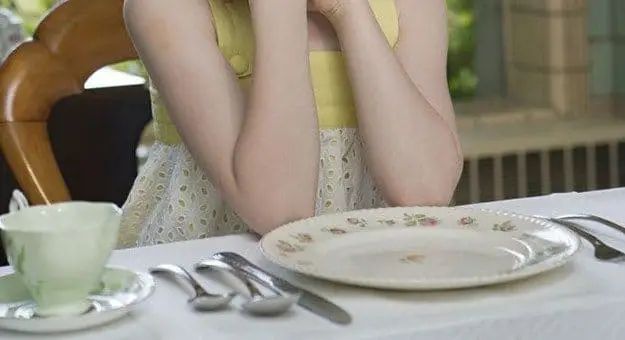
One of the first surprises for visitors: your hands belong on the table.
Not your elbows, just your hands, resting lightly beside your plate. This tradition dates back to medieval times, when keeping your hands visible showed you weren’t hiding weapons. Over the centuries, the gesture remained as a subtle sign of good manners.
Another important rule at a French table: never start eating before the host.
Even if your plate has been served, it’s polite to wait until the host, or hostess, is seated and everyone at the table has been served. Only then comes the universal signal that the meal may begin:
“Bon appétit.”
It’s one of those small rituals that reflects something essential about French dining culture:
a meal is meant to be shared, not rushed.
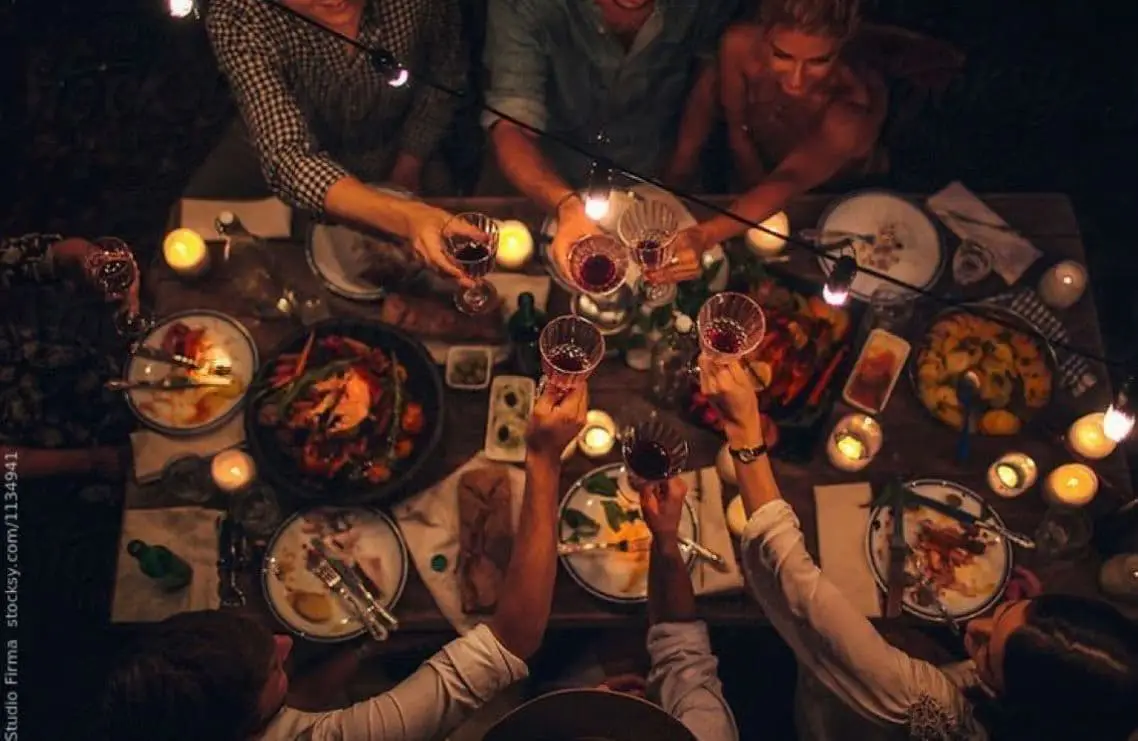
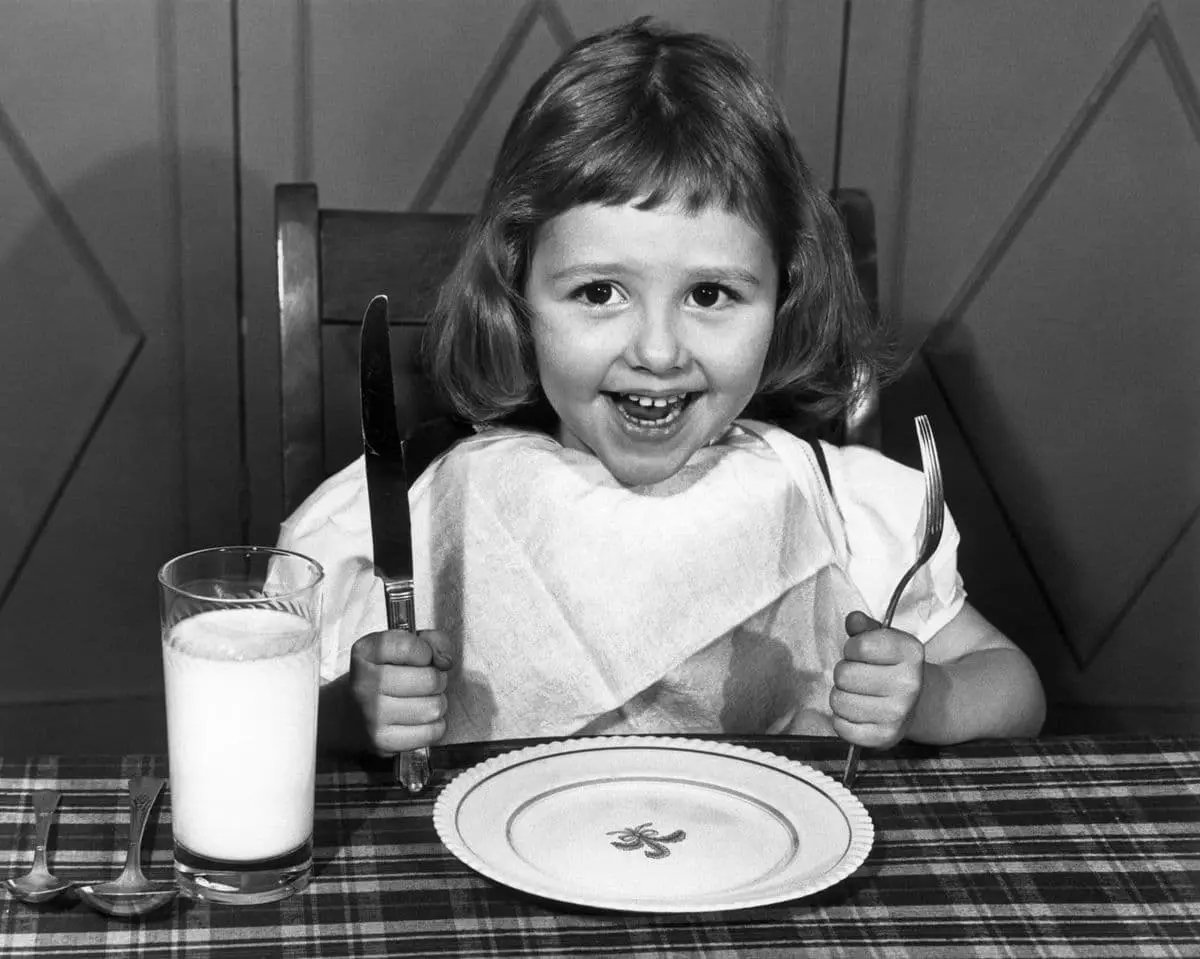
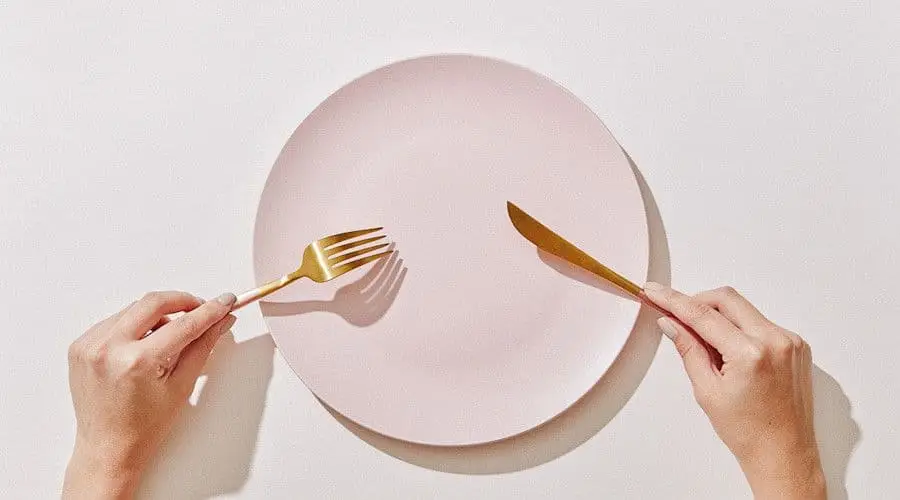
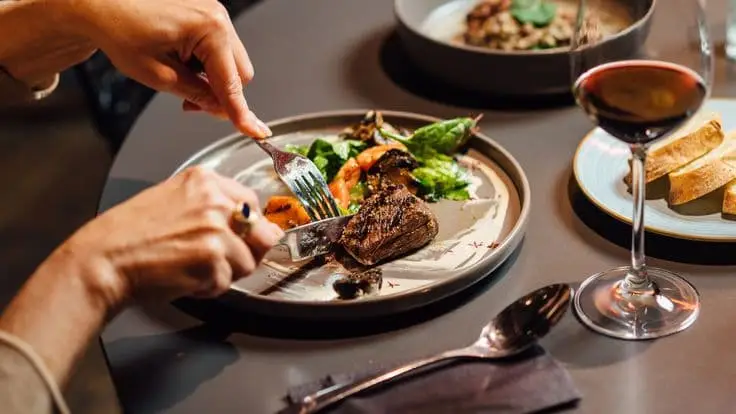
At a French table, cutlery is used with quiet precision.
The fork stays in the left hand, the knife in the right, and they remain there throughout the meal, no switching hands like in American dining etiquette.
When you’re finished, place both utensils neatly parallel on the plate to signal the end of the meal.
It’s less about strict rules and more about rhythm, a kind of culinary choreography.
Bread occupies a special place in French dining culture.
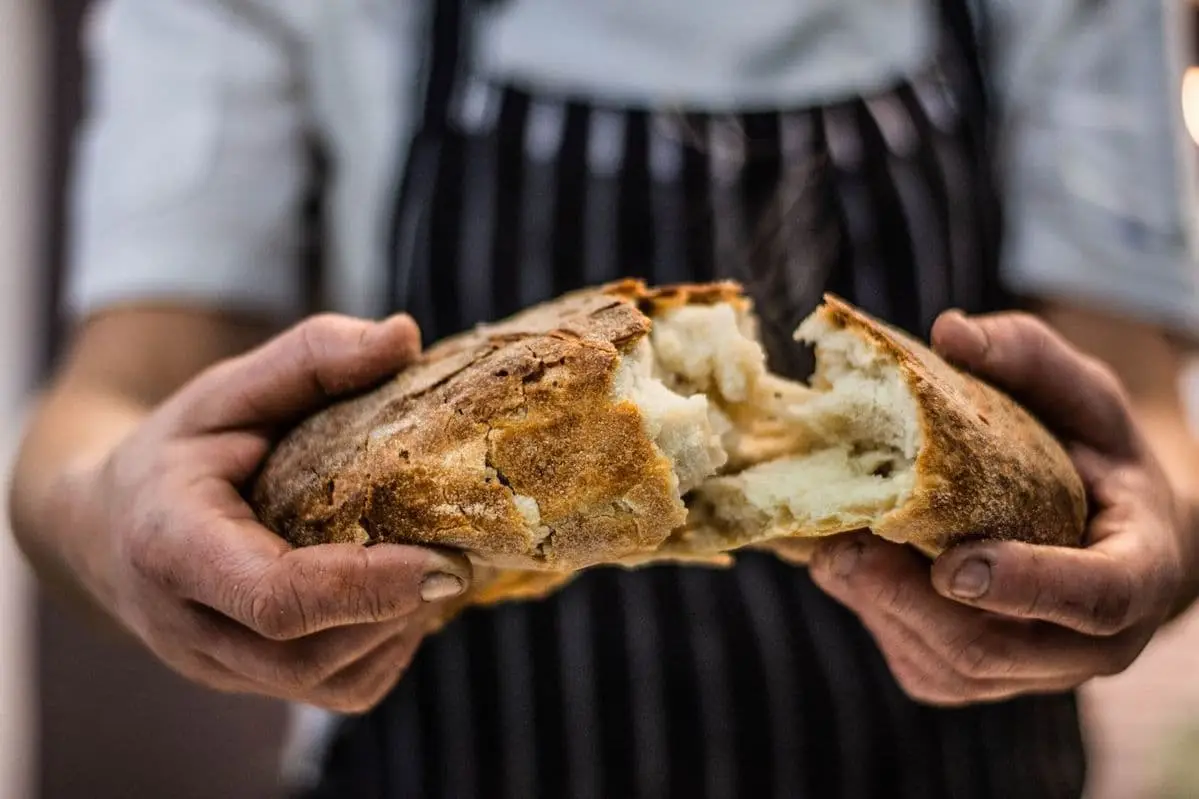
You don’t cut it with a knife. Instead, you tear off small pieces with your hands, one bite at a time. Another French quirk? The bread often sits directly on the tablecloth rather than on your plate.
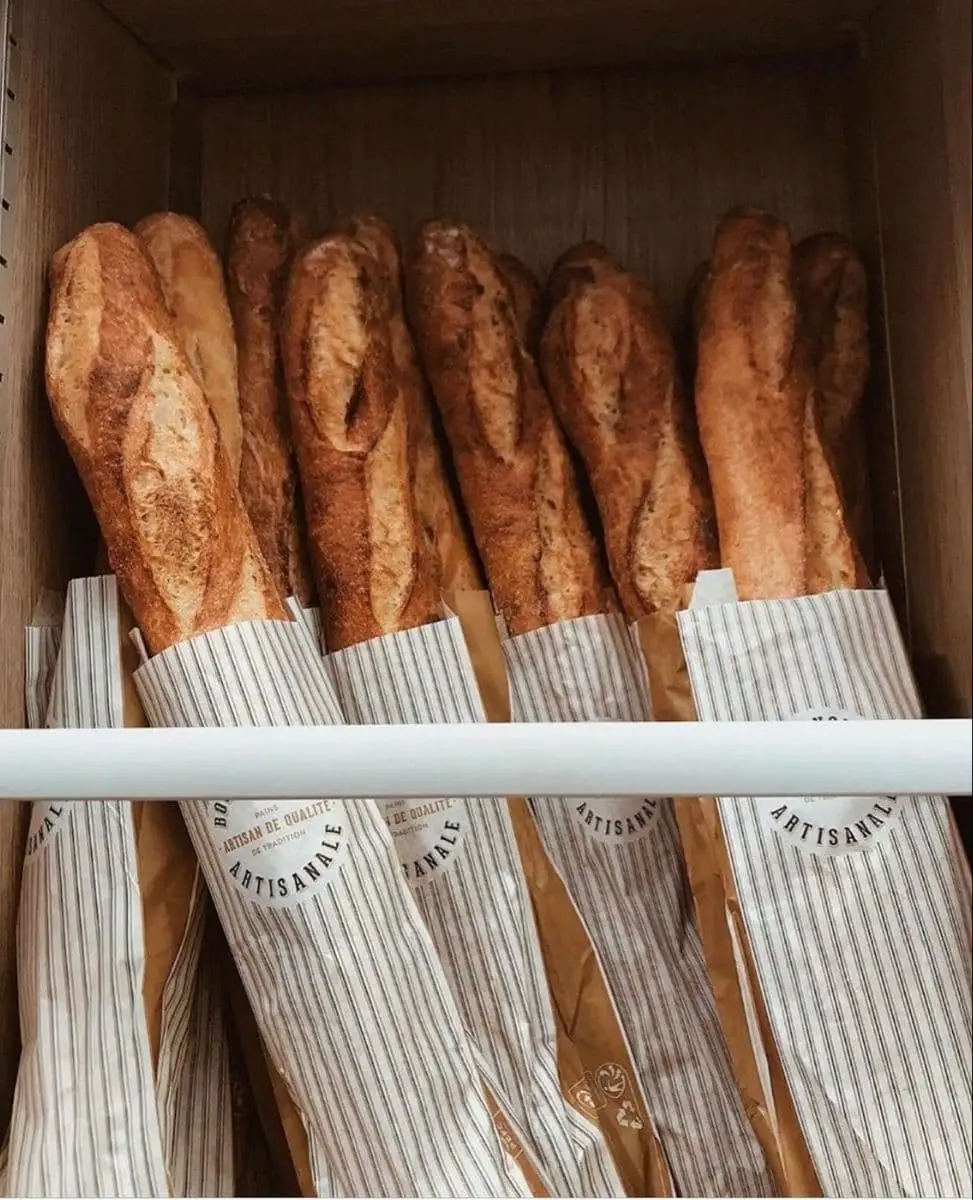
And of course, the ritual begins with a proper baguette. In Singapore, you’ll find authentic versions at places like Le Petit Croissant, PAUL or Bastille Bakery, where traditional French baking techniques keep this everyday staple exactly as it should be: crusty, golden and impossible to resist.
Because at a French table, bread is never just a side, it’s part of the conversation.
Arriving empty-handed at a French dinner is considered poor form.
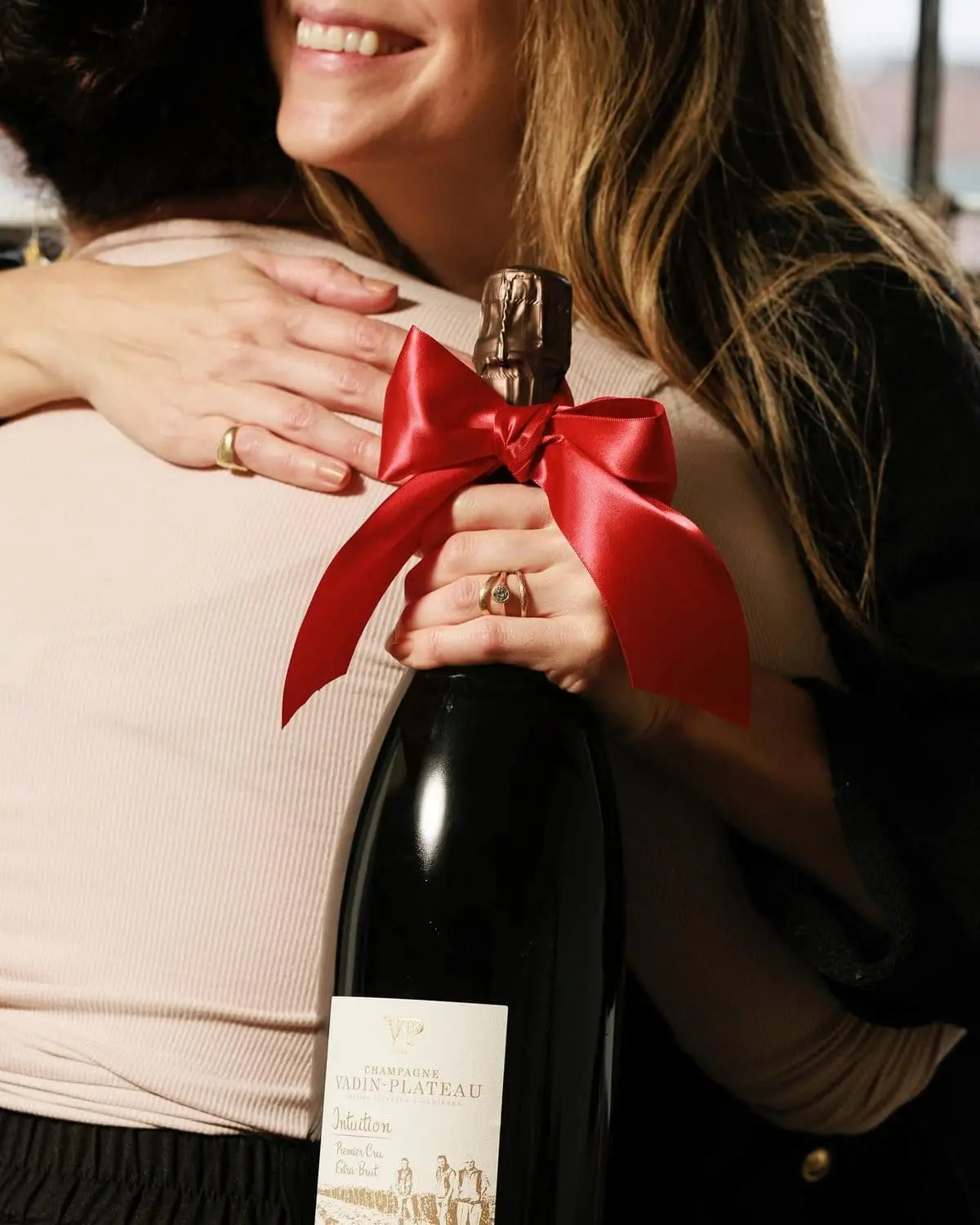
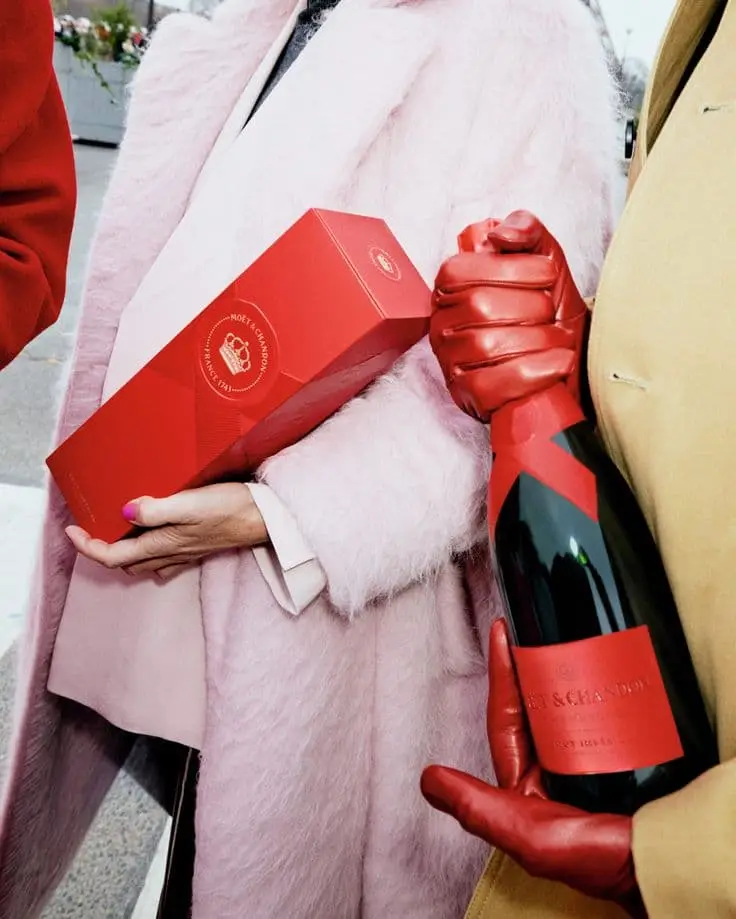
A bottle of wine is the classic choice, ideally something thoughtful rather than extravagant. If you’re unsure what to bring, curated selections from specialists like Enjoy Mo Wine or Vinolis Cellar make it easy to arrive with something your host will genuinely appreciate.
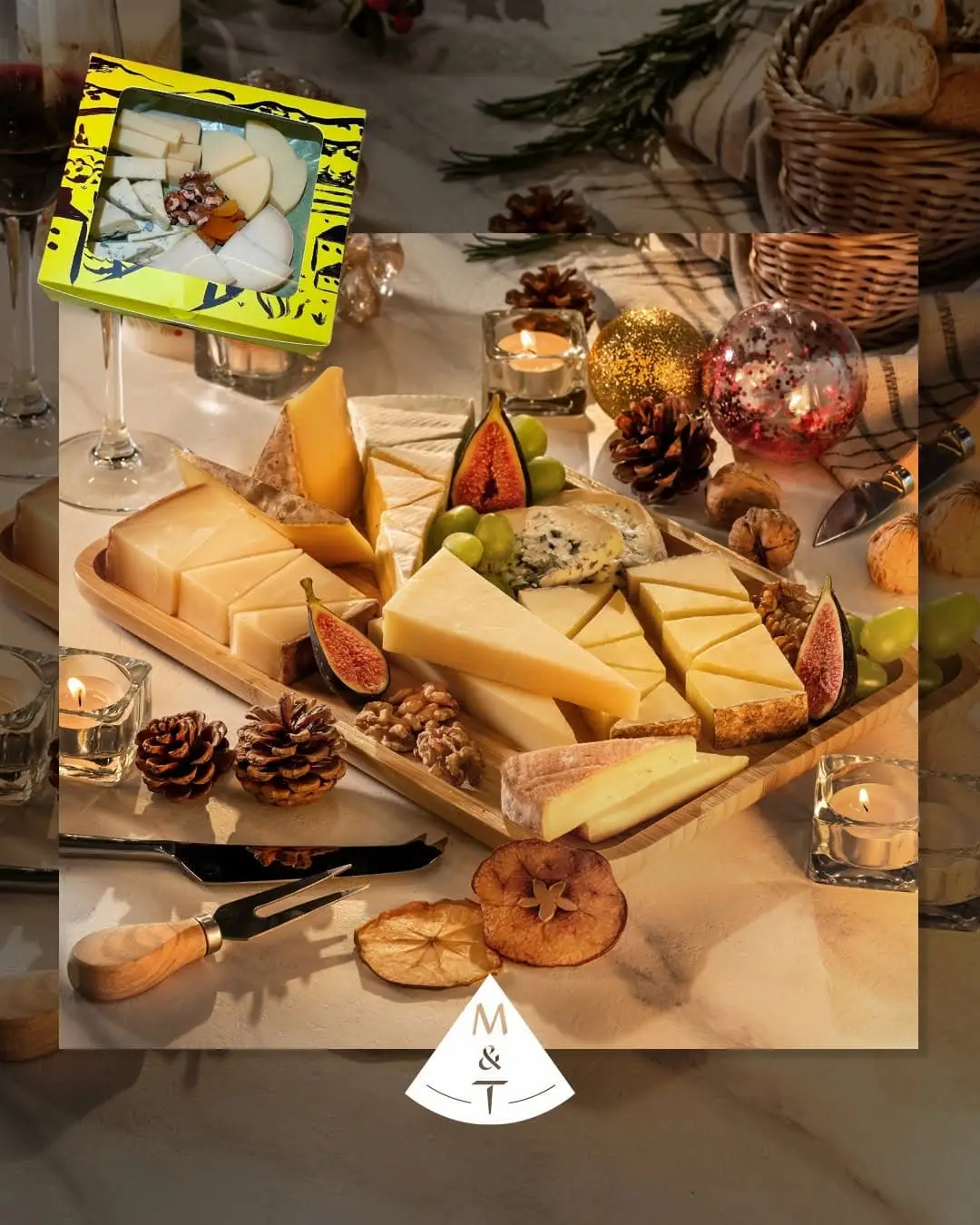
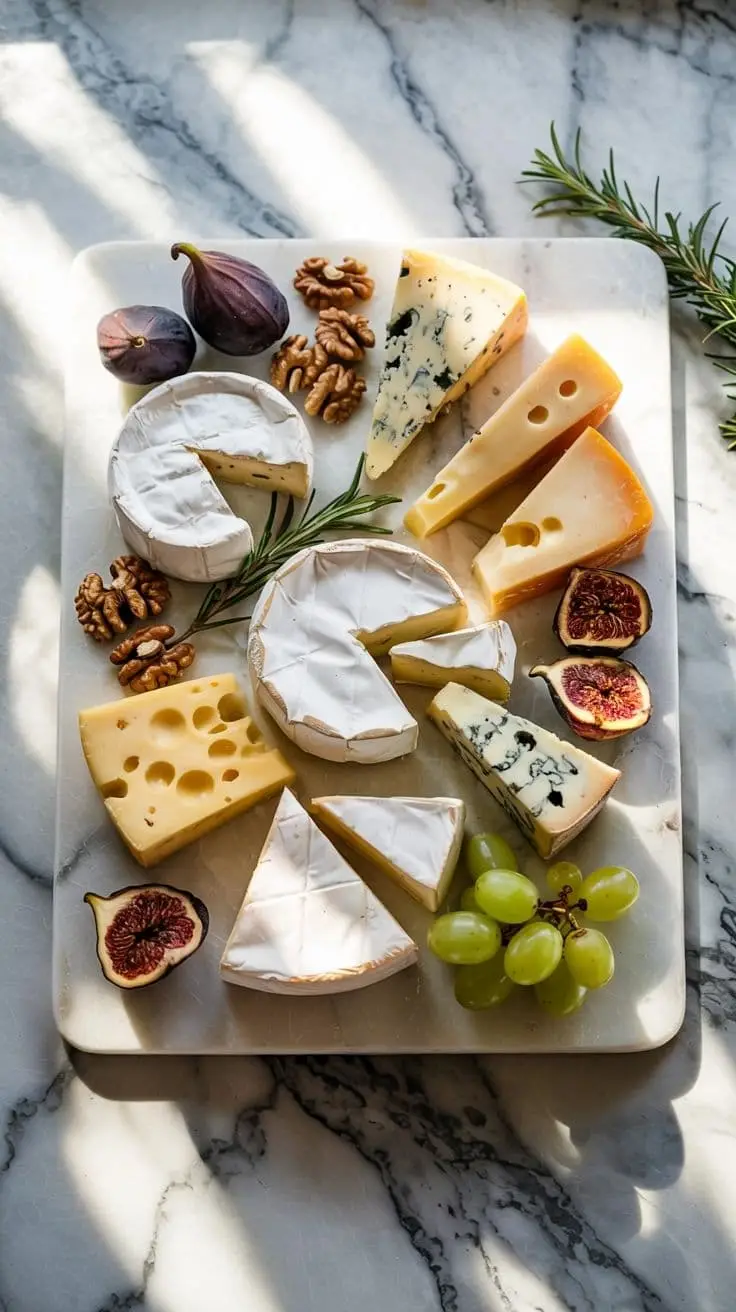
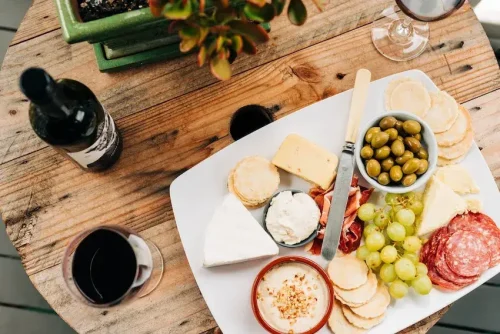
If there is one moment the French take seriously, it is the arrival of the cheese board.
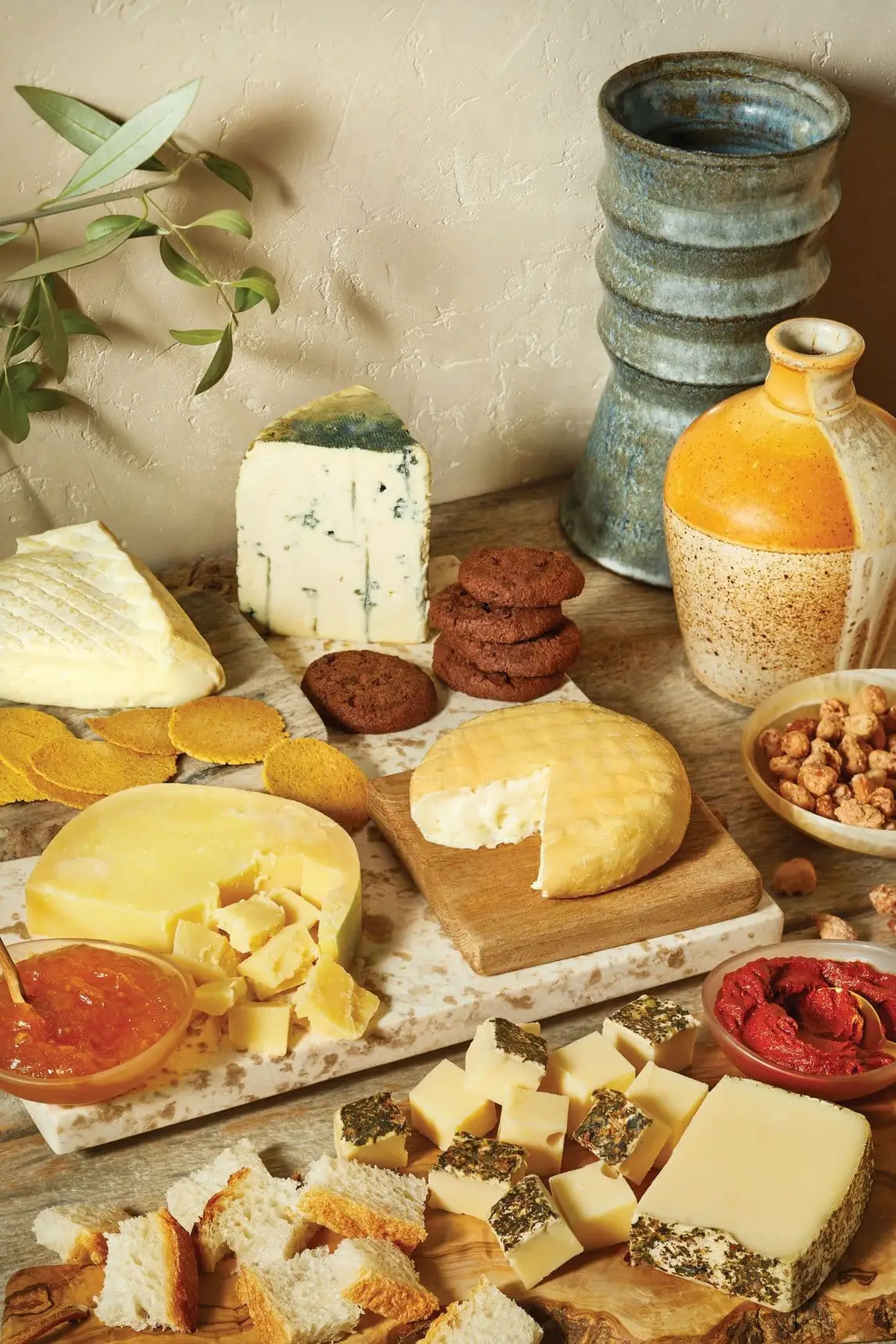
Cheese is not an appetizer in France. It appears after the main course and before dessert, as its own dedicated moment in the meal.
A well-curated board, perhaps featuring selections from Monts & Terroirs, invites guests to slow down, compare flavors and debate which region of France does cheese best (a conversation that can last longer than expected).
In other words: never skip the cheese course.
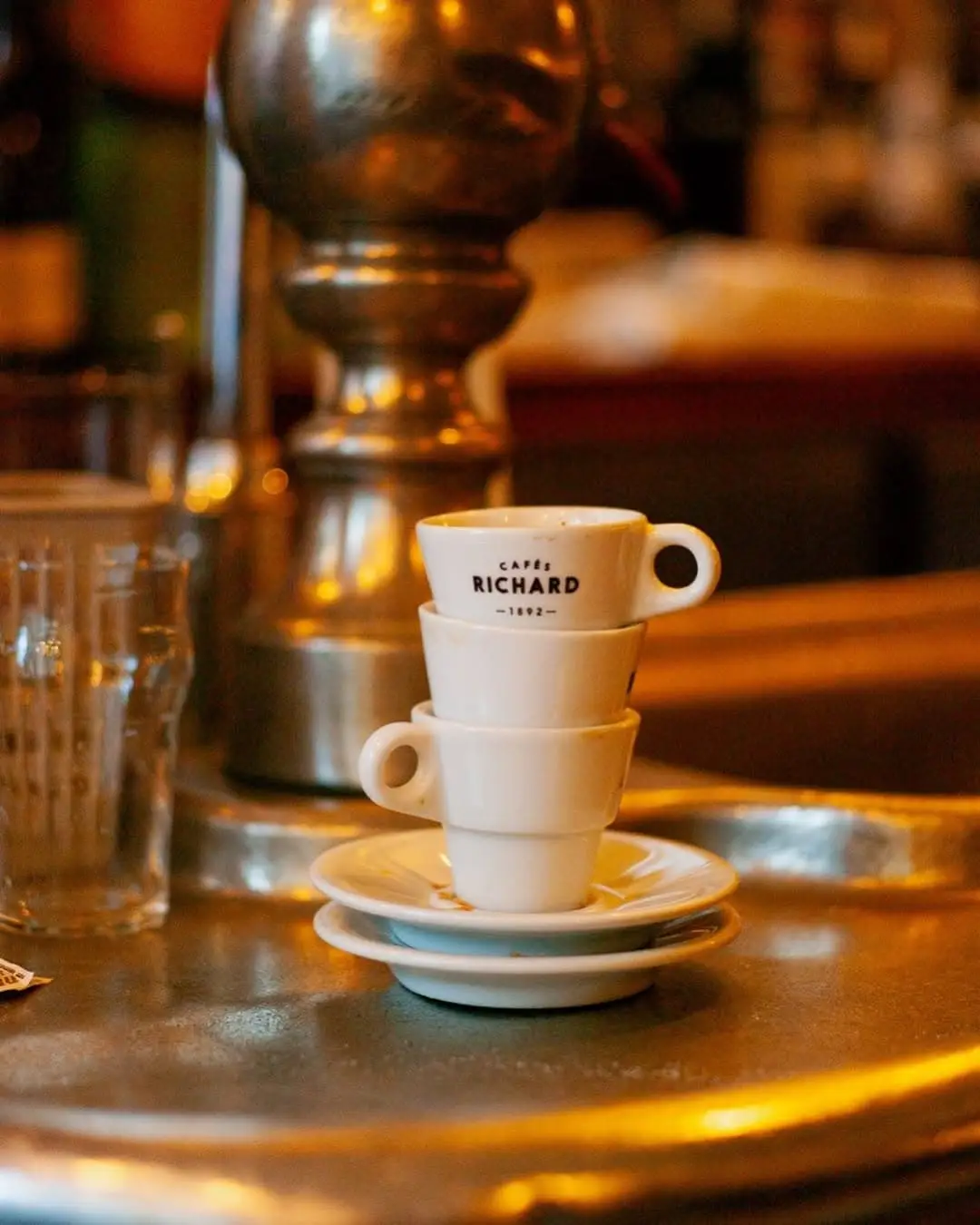
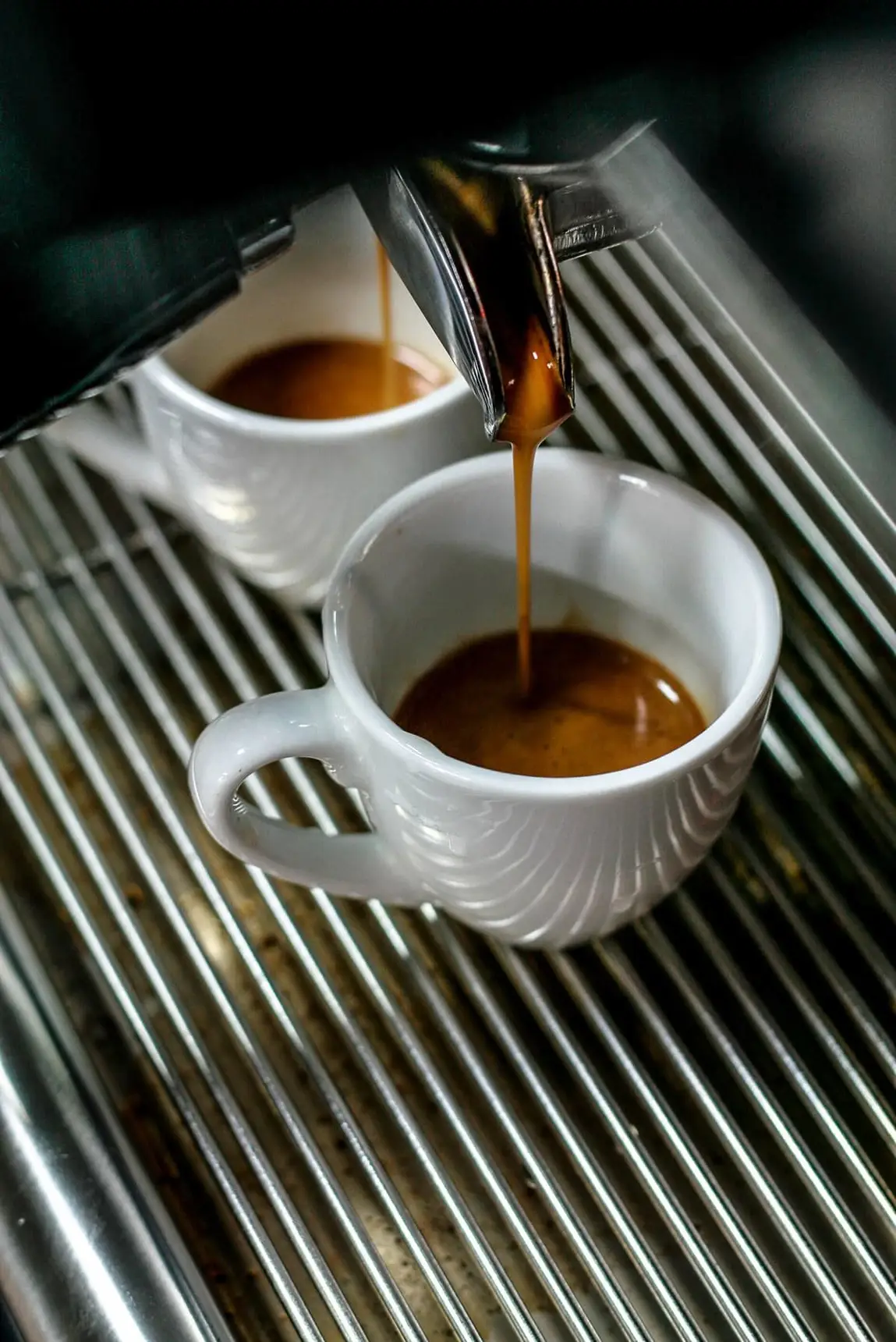
In France, coffee marks the official closing act of the meal.
But unlike the oversized cups served elsewhere, French coffee is typically small, strong and served after dessert. Think espresso rather than latte.
Serving a refined coffee, such as those from Cafés Richard, is a simple but elegant way to end the evening.
Because by this point, dinner has usually lasted two or three hours.
And nobody is in a hurry to leave.
In the end, French table etiquette is not about rigid rules.
It’s about respect for the moment, the food and the people around the table.
A beautiful table, a thoughtful bottle of wine, a generous cheese board, good coffee and even better conversation, that’s the real recipe.
And if the evening stretches long past midnight?
Then you’re probably doing it exactly right.