The one and only French Shopping, Dining & Lifestyle guide in Singapore
French Shopping, Dining & Lifestyle guide in Singapore

So Chic Stories

Place Vendôme: A Guide to Paris’ Iconic Luxury Houses & French Heritage

In the heart of Paris lies an iconic Place, featuring the unmissable Column and filled with many of France’s most luxurious and prestigious jewellery and fashion Maisons. With iconic houses like Van Cleef & Arpels, Cartier, Boucheron, Chanel, Dior, and Louis Vuitton, take a moment to read through the history and significance of Place Vendôme and where some of its most renowned residents can be found throughout Singapore.

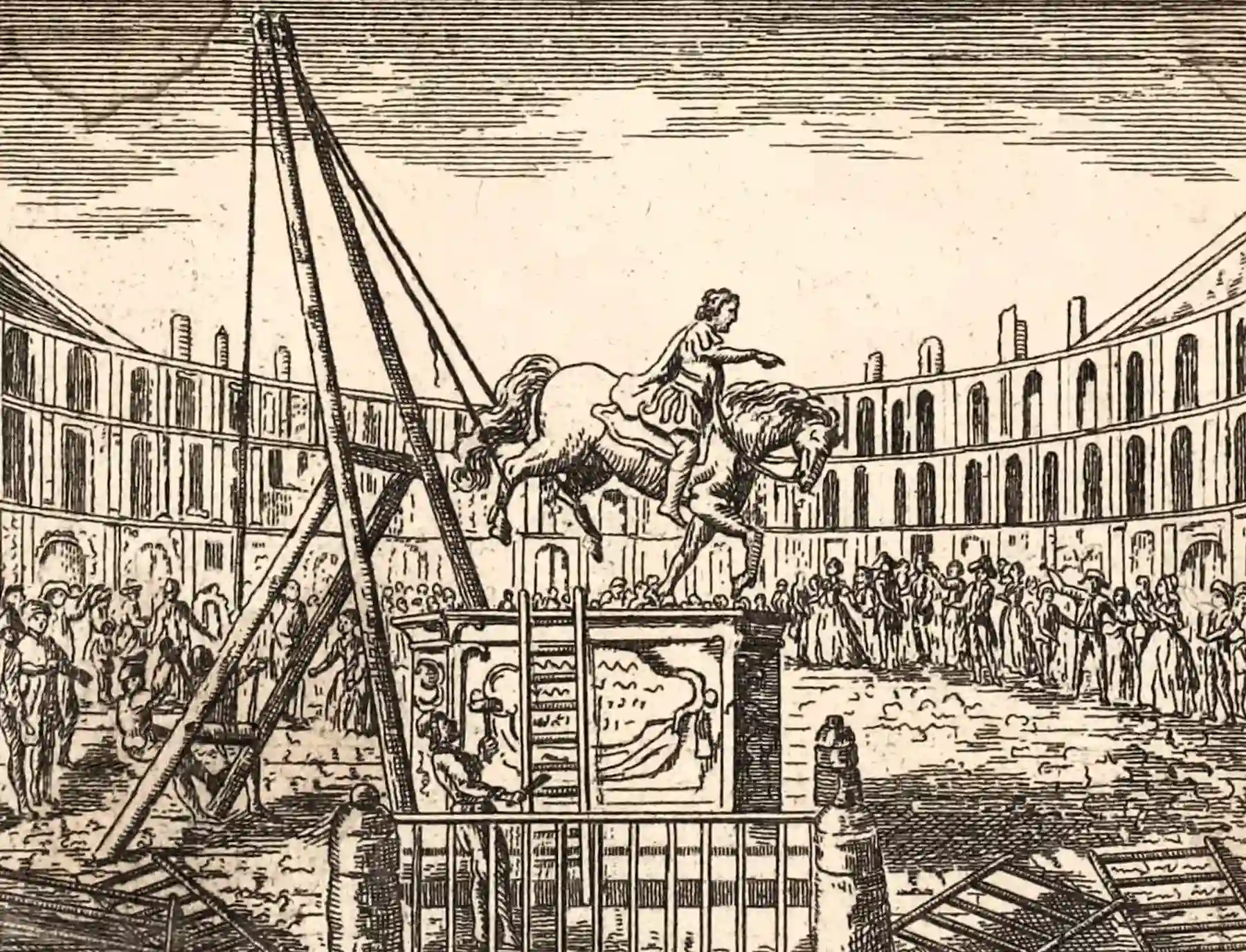
Created under the reign of Louis XIV, Place Vendôme formed part of the Sun King’s vision to reshape Paris around grand spaces reflecting the prestige of the French monarchy. Designed by royal architect Jules Hardouin-Mansart in the late 17th century, its distinctive octagonal form and harmonious façades created an imposing architectural ensemble. Originally known as Place Louis-le-Grand, it was centred around an equestrian statue of Louis XIV and surrounded by residences for Paris’s elite. The French Revolution transformed its symbolism: the royal statue was removed and the square was temporarily renamed Place des Piques. Under Napoleon Bonaparte, it entered another chapter with the construction of the Vendôme Column in 1806, completed in 1810 to commemorate the French victory at Austerlitz. Inspired by Trajan’s Column in Rome, the monument remains the defining centrepiece of the square today.

It was during the 19th century that Place Vendôme gradually evolved from a symbol of royal and imperial grandeur into a centre of luxury. The opening of Rue de la Paix connected the square to Paris’s fashionable districts, while the arrival of prestigious jewellers drew an increasingly international clientele. By the end of the century, its concentration of jewellery houses, luxury establishments and grand hotels had established Place Vendôme as one of the world’s most exclusive addresses. Today, it remains a meeting point between heritage and modern luxury, home to legendary maisons including Boucheron, Cartier, Chaumet, Van Cleef & Arpels, Chanel and Louis Vuitton.

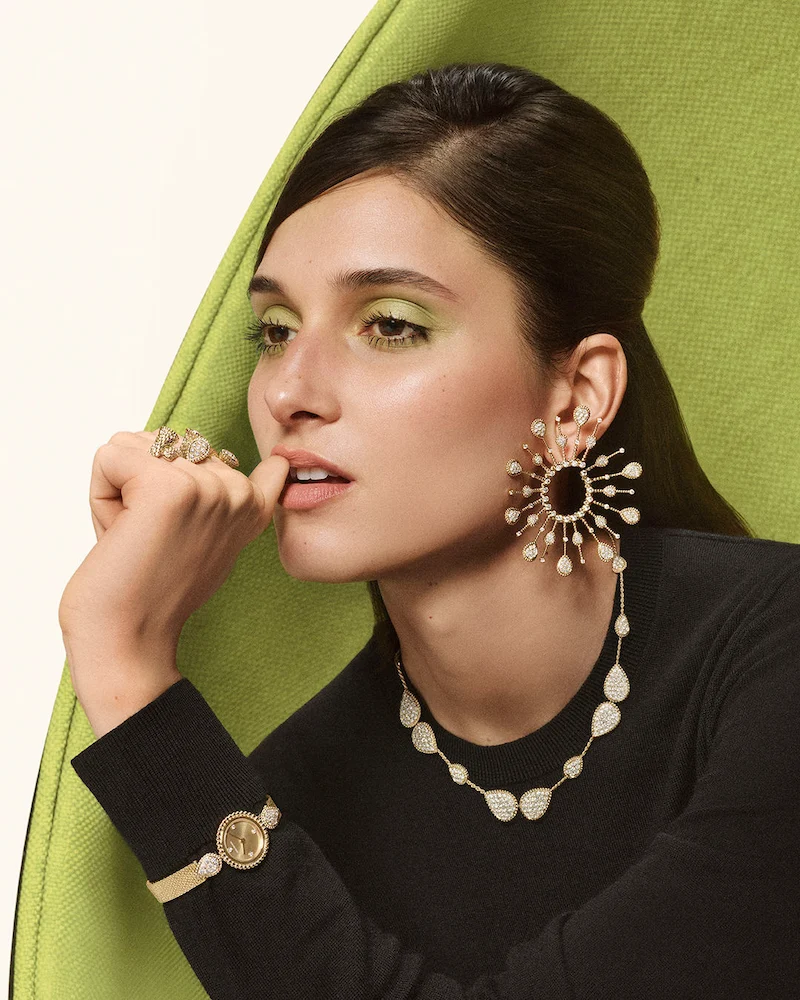
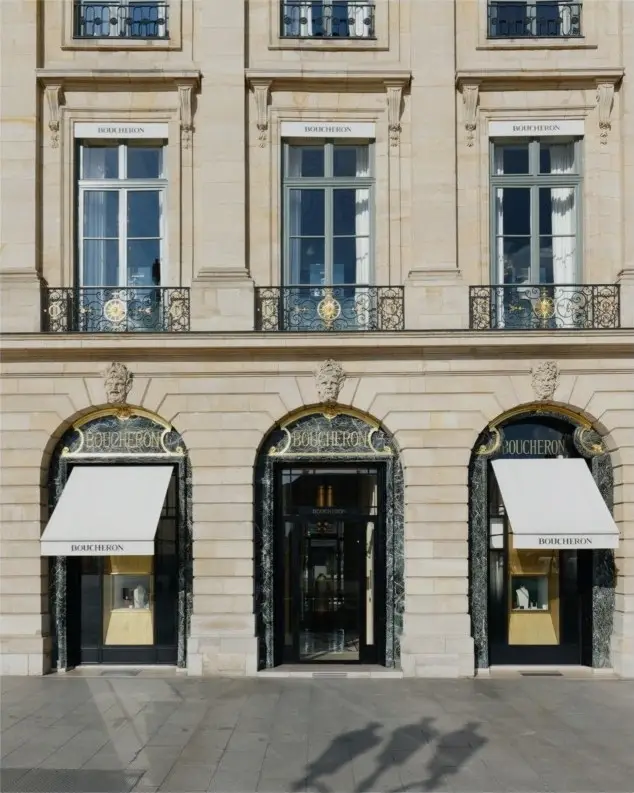
In 1893, Frédéric Boucheron became the first contemporary jeweller to establish a boutique on Place Vendôme, choosing 26 Place Vendôme for its exceptional light and exposure to the sun. At the time, the move was considered bold: the square was prestigious, but the jewellery district was still developing. Boucheron’s decision helped establish Place Vendôme as the natural home for Parisian high jewellery, setting a precedent that many of the world’s most celebrated maisons would soon follow.

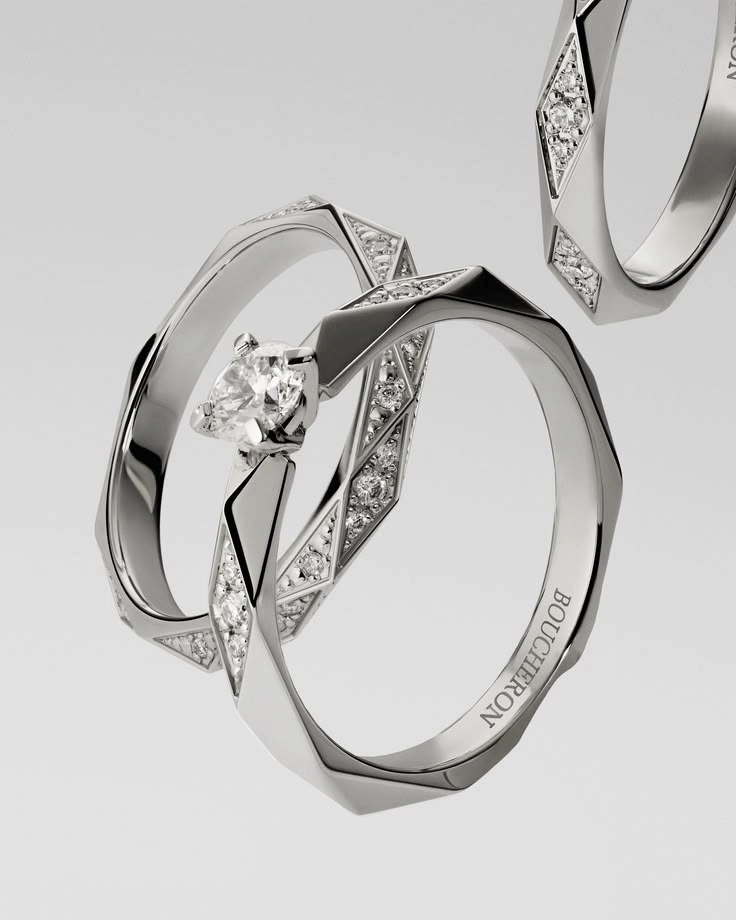
Founded in 1858, Boucheron had already developed a reputation for creativity and exceptional craftsmanship. Under Frédéric Boucheron’s direction, the house became known for its unconventional approach to gemstones, daring combinations of materials and fascination with the natural world. This spirit continues through signatures such as the Serpent Bohème, Quatre and Jack de Boucheron collections.

More than a century after its arrival, Boucheron’s historic address remains at the heart of the maison’s identity. Its Place Vendôme boutique is not simply a retail space, but a continuation of the house’s Parisian story — making Boucheron an essential starting point for understanding how the square became the capital of French jewellery.

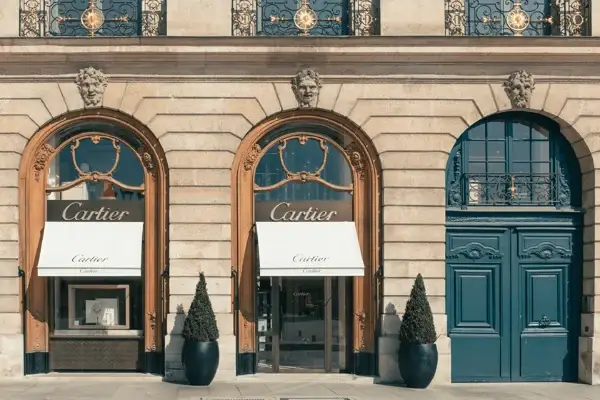
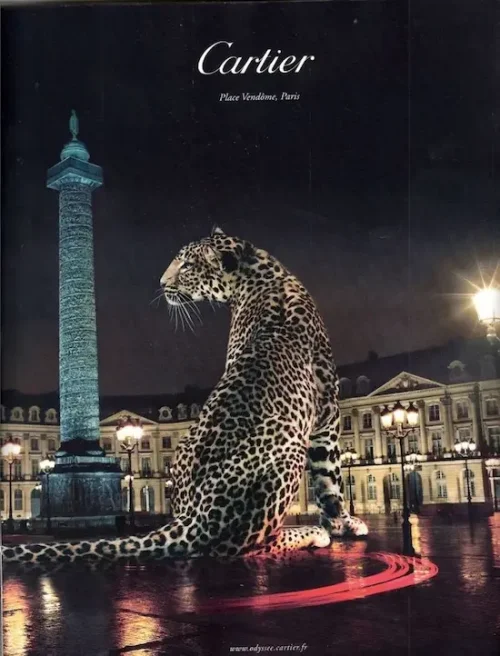
Few names are as closely associated with French jewellery as Cartier. Founded in Paris in 1847, the maison rose to international prominence under the Cartier family, becoming renowned for its exceptional craftsmanship and close relationship with royalty and aristocratic clients. Although Cartier’s historic Parisian home is at 13 Rue de la Paix, its presence around Place Vendôme places it firmly within the neighbourhood that came to define high jewellery.

Cartier’s reputation was built on creations that combined technical innovation with instantly recognisable design. The Panthère, Love and Juste un Clou collections have become enduring icons, while the maison’s high jewellery continues the tradition of extraordinary stones and intricate craftsmanship established generations ago.

What makes Cartier particularly relevant to the story of Place Vendôme is its ability to turn heritage into something contemporary. Its designs have moved far beyond the traditional idea of jewellery as a symbol of status, instead becoming expressions of personality, love and individuality. Today, Cartier’s boutiques around the world — including Singapore — carry the same visual language developed in Paris, demonstrating how the influence of Place Vendôme extends well beyond the square itself.

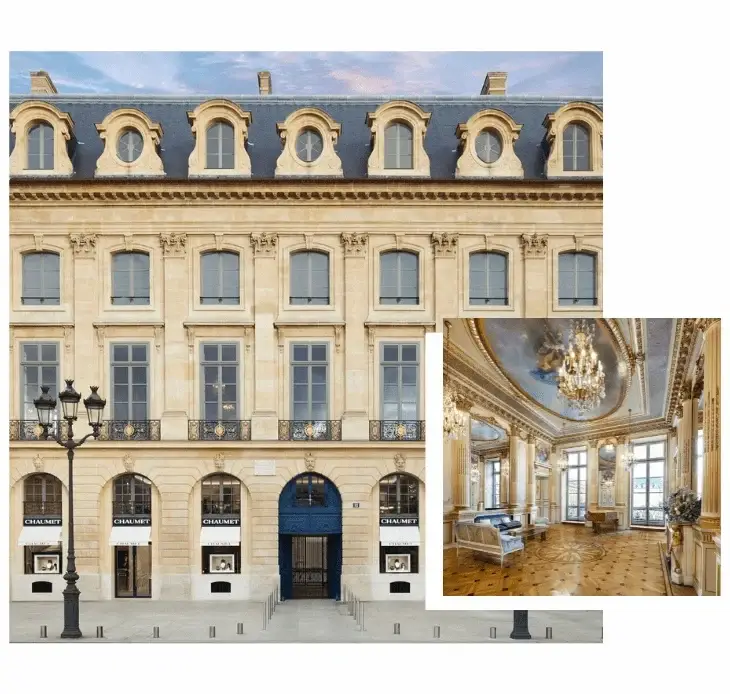
Few maisons embody the grandeur of French jewellery quite like Chaumet. Founded in Paris in 1780 by Marie-Étienne Nitot, the house quickly became associated with the French imperial court, most notably through its relationship with Empress Joséphine. Her patronage helped establish Chaumet as a jeweller of choice for royalty and aristocracy, laying the foundations for a heritage deeply intertwined with France’s history.

The maison’s connection to Place Vendôme came later, when it established itself at 12 Place Vendôme, an address that remains central to its identity today. Here, Chaumet became particularly renowned for its mastery of the tiara, creating elaborate pieces that reflected the elegance and status of their wearers. This royal heritage continues to influence the house, while contemporary collections reinterpret these historic codes for a modern audience.

Nature and symbolism are also central to Chaumet’s creative universe. From the Joséphine collection, inspired by the Empress, to Bee My Love and Liens, the maison combines delicate forms with intricate craftsmanship and meaningful motifs. Its creations demonstrate how Chaumet has evolved beyond its imperial origins while preserving the refinement that first made its name.

At Place Vendôme, Chaumet represents a bridge between French royal heritage and contemporary jewellery, embodying the way Parisian luxury can preserve its history while continually finding new ways to express it.

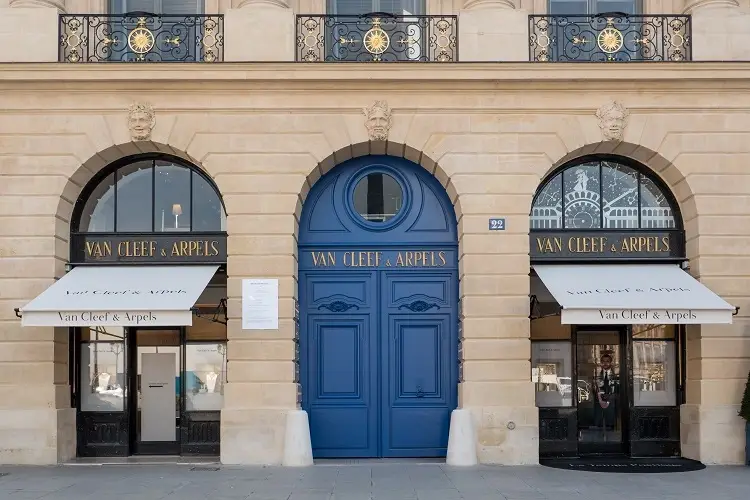
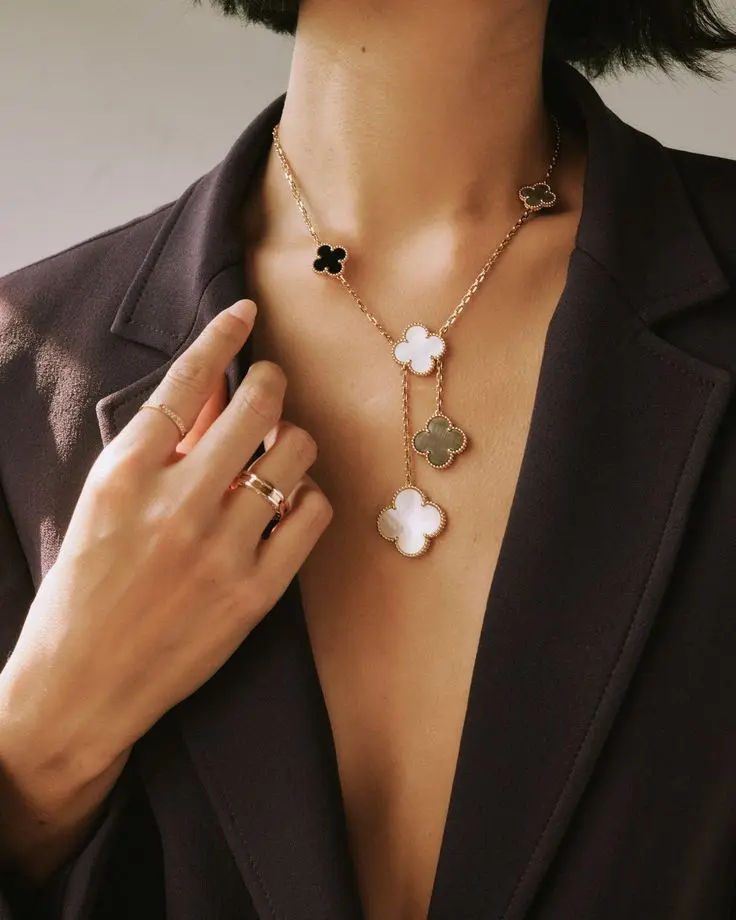
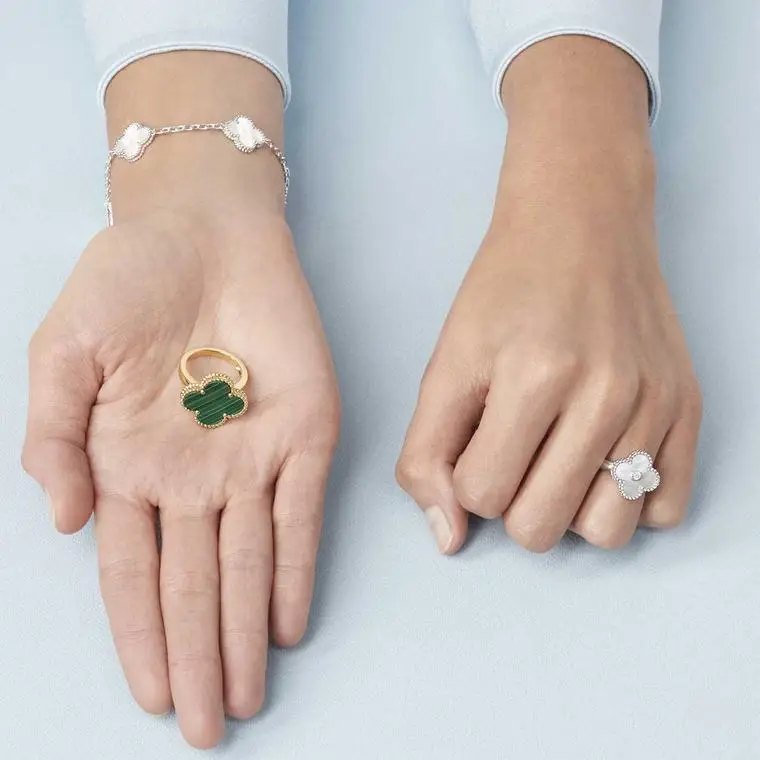
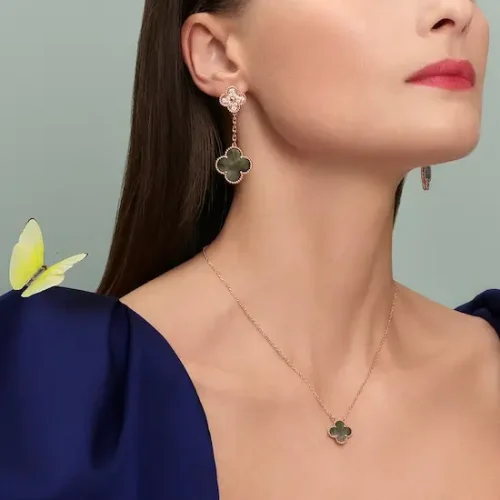
When Van Cleef & Arpels opened its doors at 22 Place Vendôme in 1906, the maison joined an address already becoming synonymous with exceptional jewellery. Founded by Alfred Van Cleef and Estelle Arpels, the house quickly distinguished itself through a combination of technical innovation, poetic design and an almost dreamlike approach to jewellery.

Nature has remained one of its greatest sources of inspiration. Flowers, butterflies, birds and other natural forms are transformed into delicate compositions, while collections such as Alhambra, Frivole and Perlée have become instantly recognisable signatures. Behind their apparent delicacy lies considerable technical expertise, perhaps most famously demonstrated by the maison’s Mystery Set, a technique that allows gemstones to be mounted with minimal visible metal.

This combination of craftsmanship and imagination is central to Van Cleef & Arpels’ appeal. Its jewellery does not simply showcase precious stones; it creates a sense of movement, fantasy and storytelling around them.

Its Place Vendôme boutique therefore represents more than a prestigious Parisian address. It is where the maison’s distinctive universe took shape — one in which high jewellery could be technically extraordinary while remaining playful, romantic and deeply connected to the natural world.

In fact, notice the homage to their original boutique’s location with the column found on their logo.
While Place Vendôme is traditionally associated with the great names of French jewellery, Chanel brings a distinctly different heritage to the square: that of haute couture. Gabrielle Chanel’s Parisian universe was already firmly established around 31 Rue Cambon, just steps from Place Vendôme, where her boutique and couture house became synonymous with modern French style. Her influence on the neighbourhood would eventually extend into fine jewellery, where the codes of Chanel’s fashion vocabulary found new expression in precious materials.

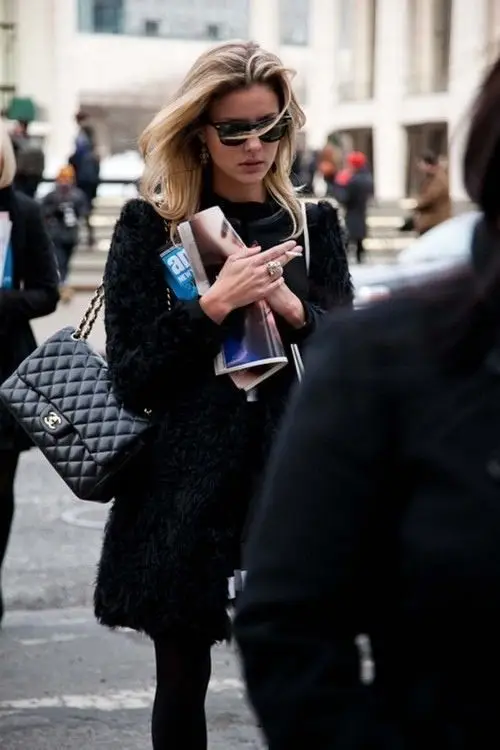
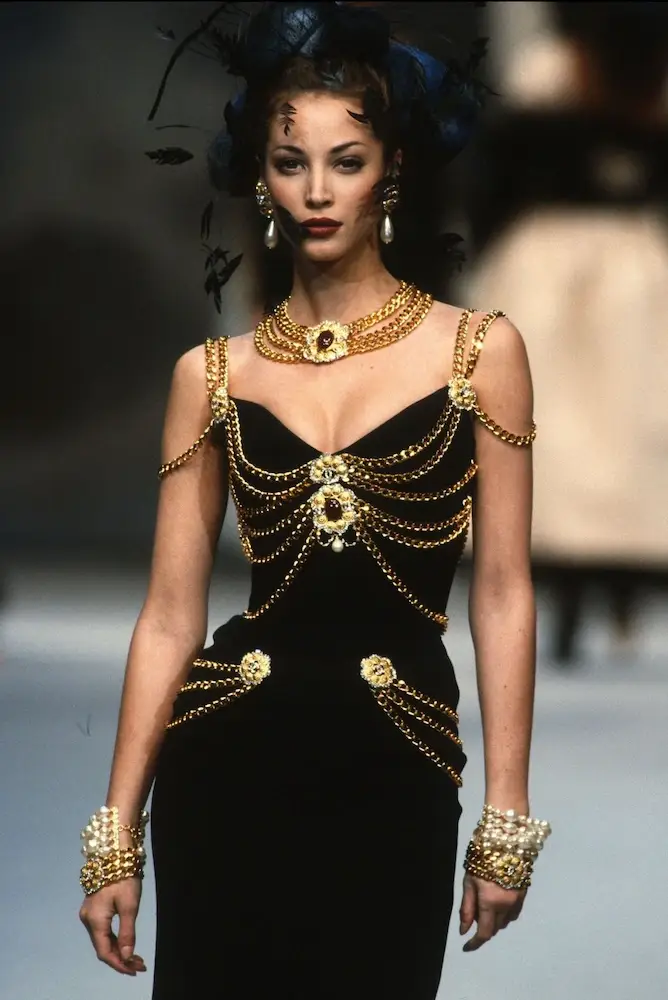
Chanel’s jewellery creations draw heavily on the symbols that defined Gabrielle Chanel’s world. The camellia, Comète, lion, quilted motif and the iconic number five are repeatedly reinterpreted through diamonds, pearls and precious gemstones. Rather than separating jewellery from fashion, Chanel approaches the two as part of the same creative language, allowing motifs from its couture collections to take on an entirely new dimension.

This connection between fashion and jewellery gives Chanel a distinctive place within the Place Vendôme landscape. Its story demonstrates how the square evolved beyond its traditional role as the home of historic jewellers, becoming a meeting point for the different expressions of French luxury. Chanel’s presence embodies modernity — preserving Gabrielle Chanel’s unmistakable codes while continually reinventing them for a contemporary audience.

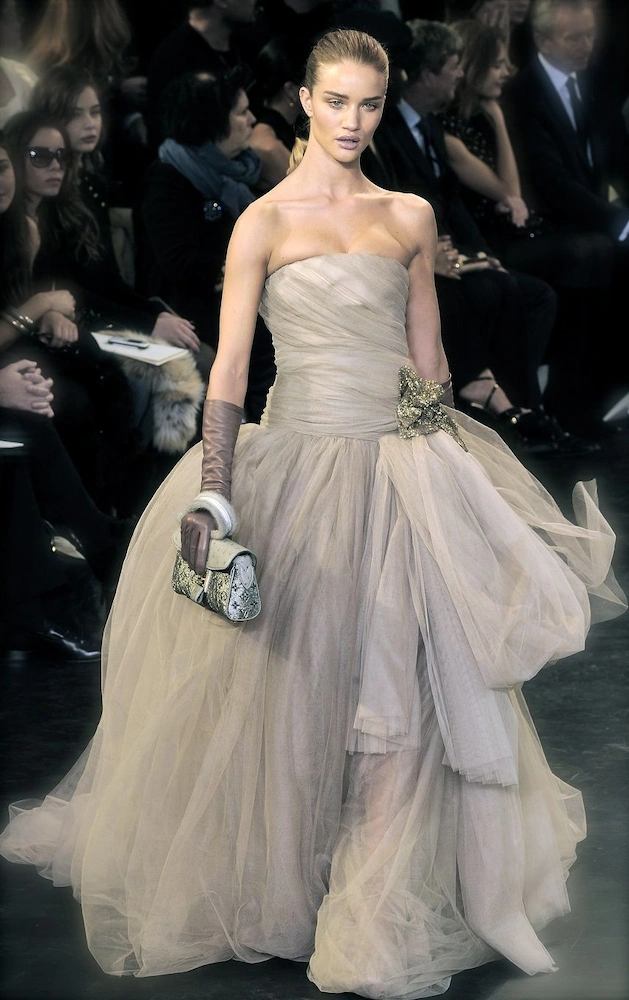
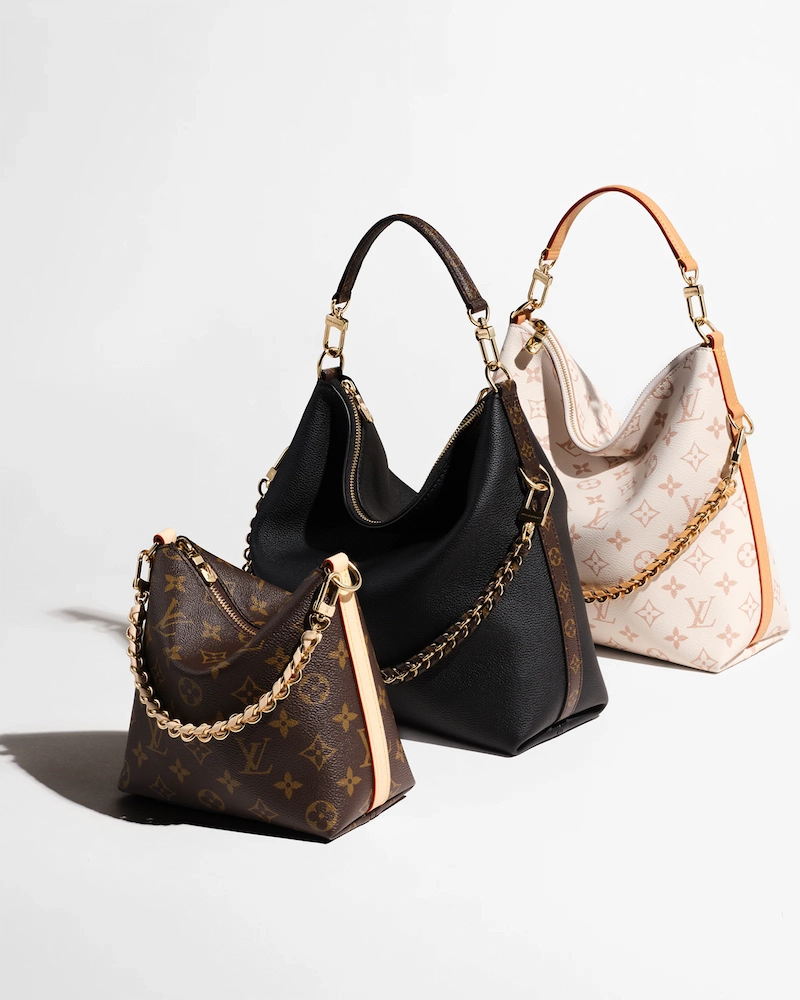
Louis Vuitton brings a different perspective to the story of Place Vendôme. Founded in Paris in 1854 as a maker of luxury trunks, the maison built its reputation on travel, craftsmanship and innovation before expanding into fashion, accessories, watches and jewellery. Its presence at Place Vendôme reflects this evolution, bringing a house rooted in the world of travel into one of Paris’s most historic centres of fine jewellery.

Louis Vuitton’s high jewellery collections draw on the maison’s distinctive visual language, translating familiar codes such as the Monogram, Star Blossom and geometric motifs into intricate creations featuring precious stones. At the same time, the house continues to approach jewellery with the same spirit of creativity and technical experimentation that has defined its broader identity.

In this sense, Louis Vuitton represents innovation within Place Vendôme: a reminder that the square is not simply a monument to the past, but a living centre of French luxury where heritage, craftsmanship and contemporary creativity continue to intersect.

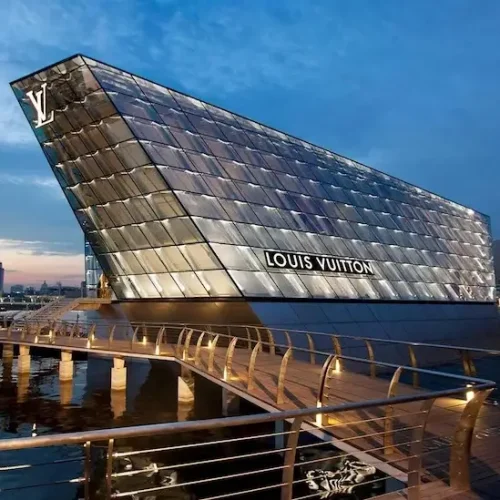
The influence of Place Vendôme extends far beyond Paris. The maisons that have shaped its reputation — including Van Cleef & Arpels, Chaumet, Cartier, Chanel, Boucheron and Louis Vuitton — have carried their distinctive French heritage across the world, establishing a strong presence in Singapore. In doing so, they bring the craftsmanship, creativity and design codes developed in Paris to a city that has become a destination for luxury in its own right.

For Singapore, these maisons offer a tangible connection to the world of French luxury, allowing their Parisian heritage to be experienced closer to home. From jewellery to fashion, each house continues to reinterpret its historic identity for a global audience, proving that the spirit of Place Vendôme is not confined to one square — it is a legacy that continues to travel.

You Might Also Like

Loading...
French Shopping, Dining & Lifestyle guide in Singapore