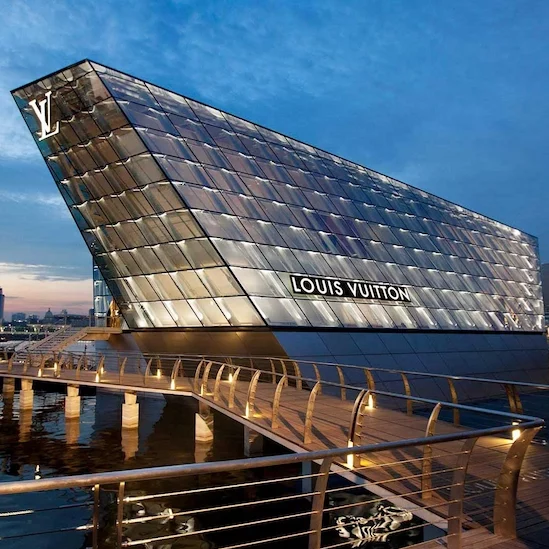
Founded in 1854 in Paris, Louis Vuitton began as a maker of innovative flat-topped travel trunks that revolutionized luxury travel during the 19th century. Famous for exceptional craftsmanship and timeless design, the house quickly became the preferred luggage maker for aristocrats, explorers, and discerning travelers.
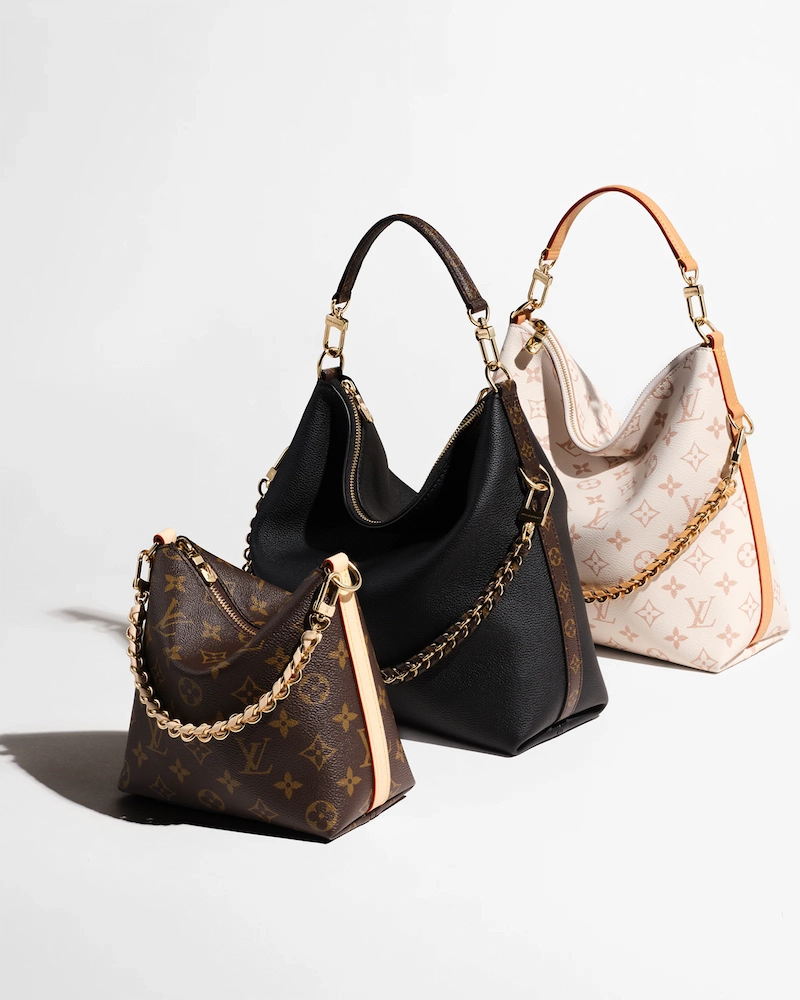
Over the decades, Louis Vuitton expanded beyond its iconic trunks into leather goods, ready-to-wear fashion, shoes, watches, fine jewellery, fragrances, and accessories. Its instantly recognizable Monogram Canvas, introduced in 1896, remains one of the world’s most luxury motifs. Today, Louis Vuitton continues to blend heritage with contemporary creativity through collaborations with leading artists and designers.
Synonymous with elegance, innovation, and the French art de vivre, Louis Vuitton represents a lifestyle built on travel, culture, and exceptional savoir-faire. Whether through its historic trunks, signature handbags, or immersive exhibitions, the maison continues to define modern luxury while honoring over 170 years of craftsmanship.